CBD oils hold amazing potential for people looking to ease stress, pain, or sleep problems without harsh chemicals. Many find relief after trying different brands and doses, with some studies showing up to 60 percent of users reporting better moods and less discomfort. The way CBD interacts with the body’s systems feels like unlocking a hidden door to calm and balance. People who tried it often mention feeling more relaxed, like a warm blanket on a chilly night. Plus, some secret tips say the best results come from oils that list ingredients clearly and come with lab tests. For anyone curious about natural ways to feel better and chill out, learning about CBD oil could open new doors to well-being. Keep reading, and discover the little-known facts that might change how pain and stress are handled forever.
What is CBD oil? You may have heard about cannabidiol (CBD) online or through other means. It has been described as an effective treatment for a variety of ailments ranging from anxiety to multiple sclerosis, high blood pressure and cancer treatment. Many people have questions about the widely popular CBD oils that customers can purchase online, usually without a medical hemp license.
Therefore, CBD does not give rise to the psychoactive effects that hemp has. In 2017, the World Health Organization (WHO) inferred that CBD is a non-toxic and non-addictive substance, and further reported that due to the unlikelihood of CBD substance abuse, CBD should not be considered a scheduled drug. With more states relaxing their measures against CBD, the U.S. federal government has begun to provide guidance.
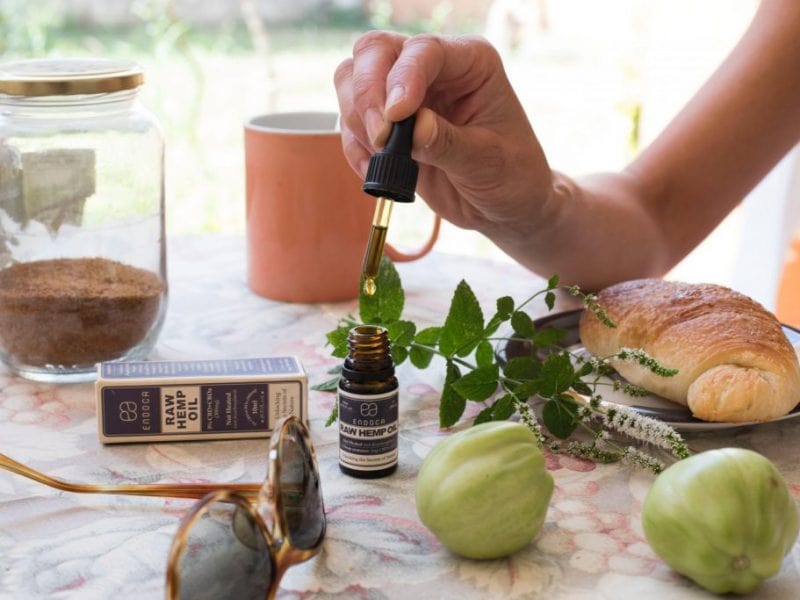
CBD oil is one of the most well-known CBD-containing products. Agricultural hemp is grown using a labor-intensive process that differs from the industrial hemp process used to grow hemp seed. The oil is made from CBD extracted directly from a hemp plant and then diluted with carrier oils, such as coconut oil and MCT oil.
The modified CBD isolate can be ingested, topically applied or inhaled as CBD oil vapor or CBD vape oil, as sold as. It should be noted that not all CBD products can be administered in all three ways. For example, some CBD oils are too viscous to vaporize, while others are specifically designed for vaping and should not be ingested.
The general consensus is that the average shelf life of CBD oil is between 14 and 24 months, depending on how well it is stored. For best results, customers should store CBD oil away from heat and light and avoid exposure to air.
Is CBD legal?
It’s complicated. Technically, the 2018 Farm Bill legalized hemp cultivation and declassified hemp CBD as a Schedule I controlled substance. While the substance does not have to be THC-free, it must contain less than 0.3% THC. However, products containing any amount of hemp continue to be evaluated by the Food and Drug Administration (FDA) under the Food, Drug and Cosmetic Act (FD&C Act).
This means that any CBD oil for sale that is extracted from a hemp plant and makes therapeutic claims must be approved by the Food and Drug Administration (FDA). Some manufacturers circumvent this rule by marketing CBD products as dietary supplements, which are exempt from dosage and purity regulations and their claims have not been evaluated by the FDA.
This loophole means that the efficacy and safety of these products may not be fully evaluated. One of the most common problems with the safety of CBD oils is the unintended presence of heavy metals and pesticides. These contaminants can cause headaches, body aches and other ailments that counteract the health benefits of CBD oil. Without FDA evaluation, most CBD oil products are not intended to diagnose, treat, cure or prevent any disease.
Without a therapeutic claim, CBD can be sold without FDA approval. However, sellers and buyers must follow state and local rules. While CBD products can technically be purchased in all 50 states, some states have restrictions than others. The laws surrounding CBD, its legality and its proper use are changing rapidly. Currently, there is no consensus among the states. As such, potential consumers should consult local legislation to verify what is considered legal CBD consumption.
Follow Ecowatch to get more important information.